We will treat emergencies during working hours but after hours we will refer to the local emergency clinics or urgent cares. I can get that info for you.
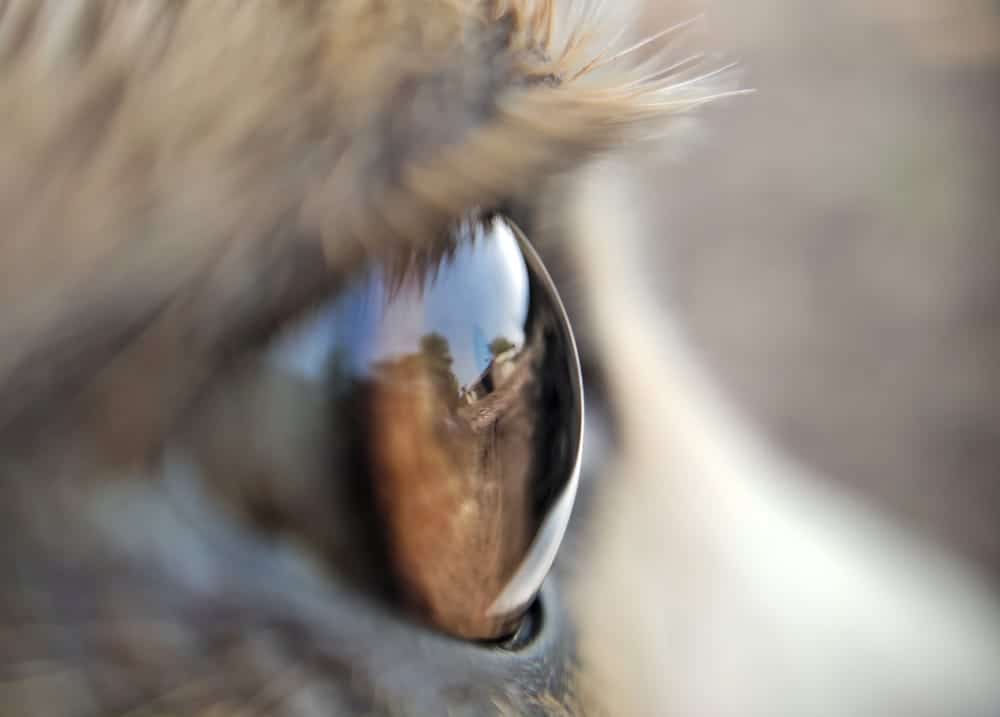
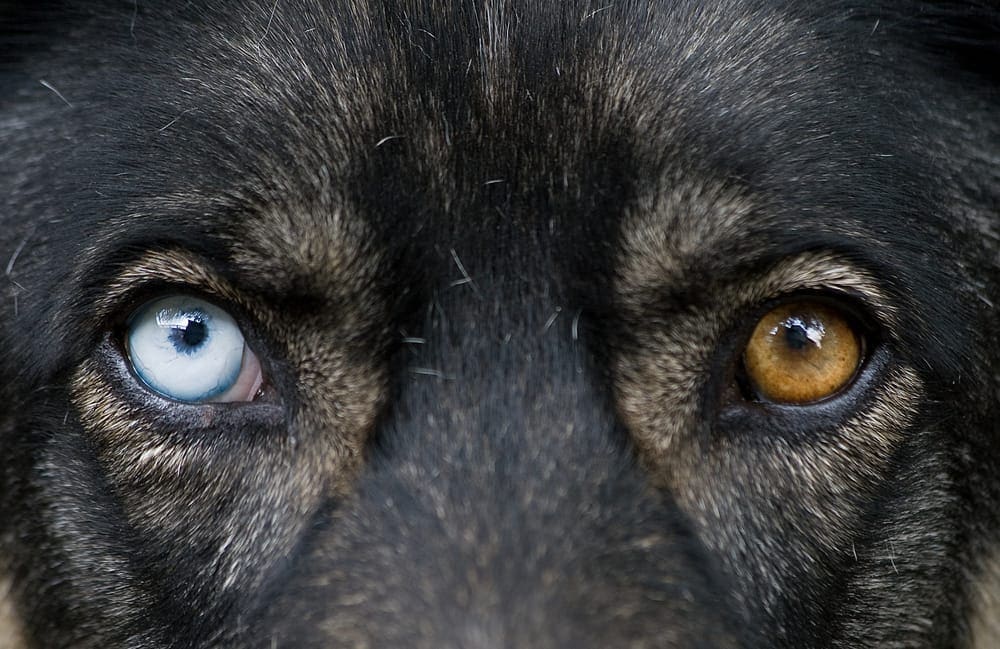
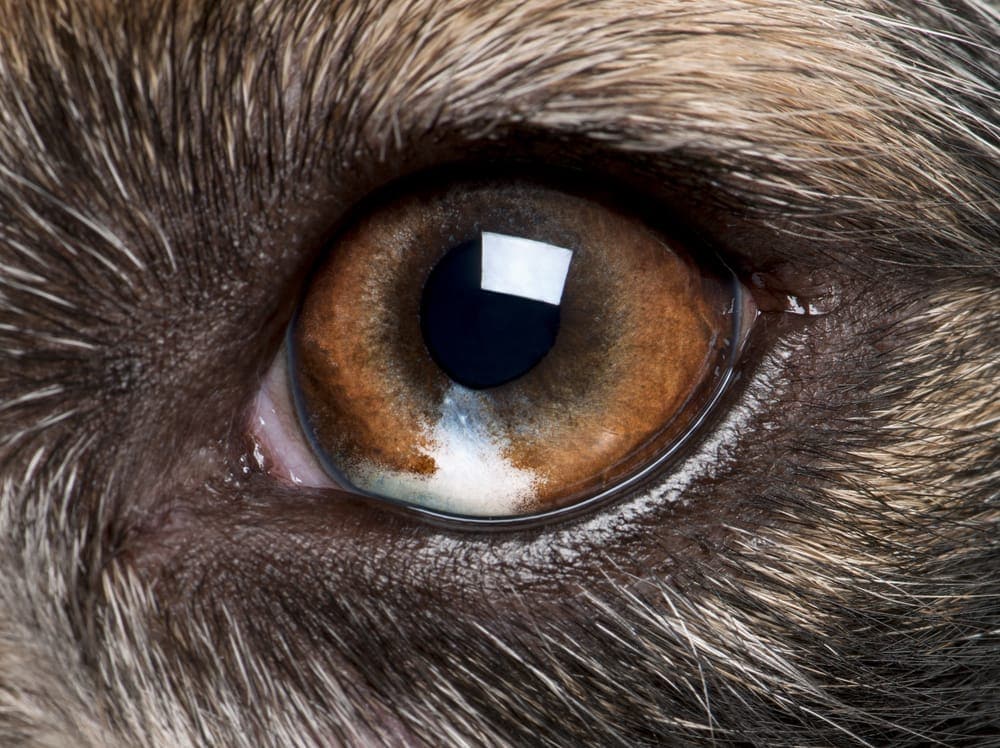
Detailed close-up of a dog’s eye showing signs of trauma or disease, highlighting the urgency of immediate veterinary intervention – Veterinary Services
We use cookies on our website to give you the most relevant experience by remembering your preferences and repeat visits. By clicking “Accept All”, you consent to the use of ALL the cookies. However, you may visit "Cookie Settings" to provide a controlled consent.
This website uses cookies to improve your experience while you navigate through the website. Out of these, the cookies that are categorized as necessary are stored on your browser as they are essential for the working of basic functionalities of the website. We also use third-party cookies that help us analyze and understand how you use this website. These cookies will be stored in your browser only with your consent. You also have the option to opt-out of these cookies. But opting out of some of these cookies may affect your browsing experience.
Necessary cookies are absolutely essential for the website to function properly. This category only includes cookies that ensures basic functionalities and security features of the website. These cookies do not store any personal information.
Any cookies that may not be particularly necessary for the website to function and is used specifically to collect user personal data via analytics, ads, other embedded contents are termed as non-necessary cookies. It is mandatory to procure user consent prior to running these cookies on your website.
veterinary services, pet wellness plans, vet appointment, emergency vet, mobile vet, 24 hour vet, carecredit for pets, emergency animal hospital, dog vaccinations, veterinary, veterinary clinic, vet mobile, veterinary care, clinic veterinary, vet eye clinic, vet vision specialists
Frequently Asked Questions
How can I ensure my pets eye health?
Ensuring your pet's eye health involves regular veterinary check-ups, monitoring for any changes in vision or eye appearance, and maintaining a clean environment. Promptly address any signs of discomfort or irritation by consulting a veterinary ophthalmologist.
What services do veterinary vision specialists provide?
Veterinary Vision Specialists provide a range of services focused on pet eye health, including comprehensive examinations, diagnostic tests, treatment plans, and surgical procedures for various ocular conditions.
What are the common eye conditions in pets?
The common eye conditions in pets include cataracts, glaucoma, conjunctivitis, and corneal ulcers. These issues can affect your pet's vision and overall eye health, making regular veterinary eye examinations essential.
How can I book an appointment for my pets eye exam?
Booking an appointment for your pet's eye exam is easy. You can schedule an appointment by calling Veterinary Vision Specialists directly or by visiting our website to use our online booking system.
What treatments are available for eye diseases in animals?
The treatments available for eye diseases in animals include comprehensive eye exams, medical management with medications, and various surgical procedures tailored to the specific condition affecting your pet's eyes.
What should I expect during a veterinary eye exam?
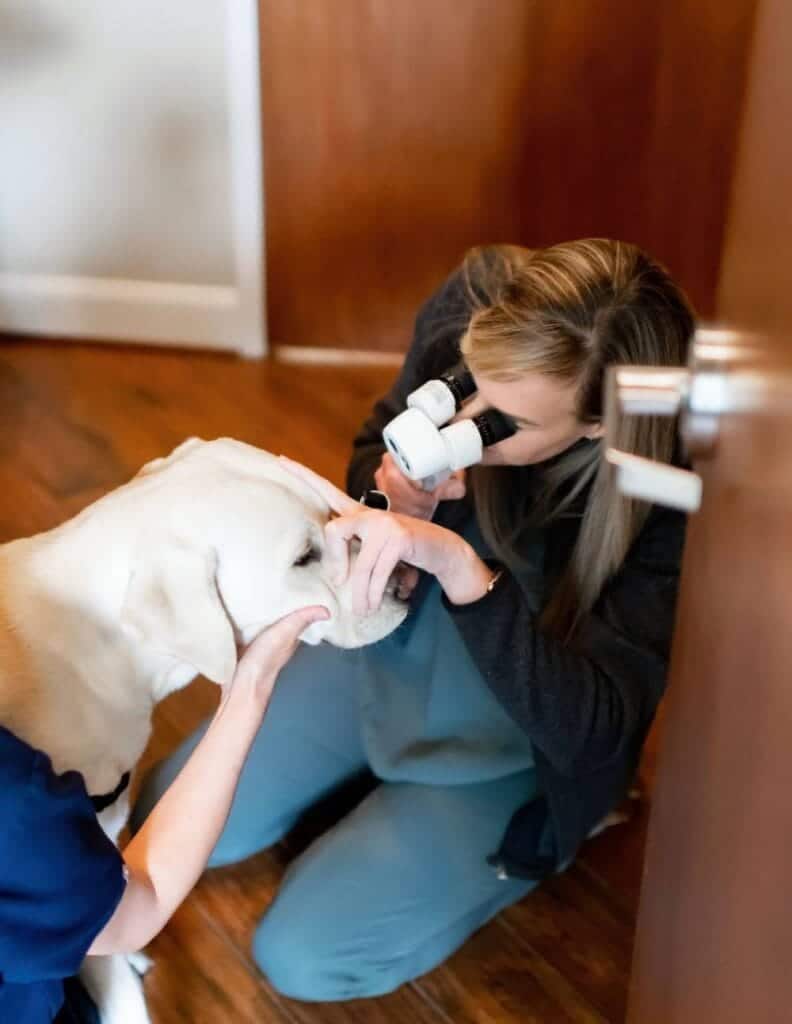
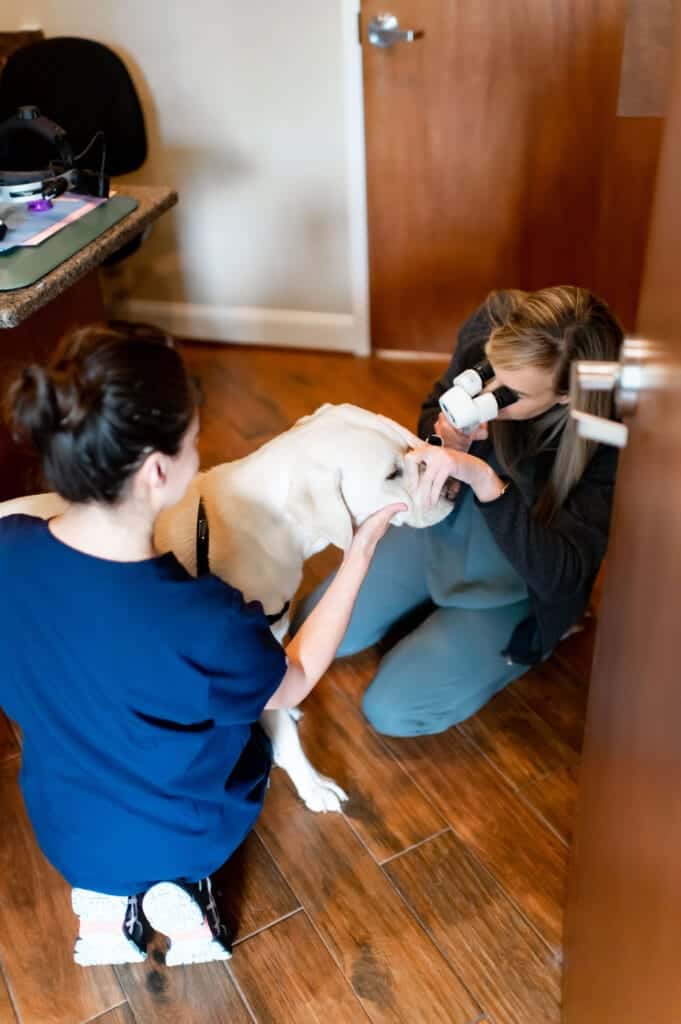
During a veterinary eye exam, you can expect a thorough evaluation of your pet's ocular health, including visual assessments, eye pressure measurements, and a detailed inspection of the eye structures to identify any potential issues or diseases.
What are the signs of eye problems in pets?
The signs of eye problems in pets include squinting, excessive tearing, redness, cloudiness, and changes in behavior such as increased sensitivity to light. If you notice any of these symptoms, consult Veterinary Vision Specialists for a thorough evaluation.
How often should pets have eye exams?
The frequency of eye exams for pets should be determined based on their age and health status. Generally, adult pets should have an eye exam at least once a year, while senior pets or those with existing eye conditions may require more frequent evaluations.
What is the process for diagnosing eye conditions?
The process for diagnosing eye conditions involves a thorough examination by a veterinary ophthalmologist, including visual assessments, specialized tests, and imaging techniques to identify any issues affecting your pet's ocular health.
Are there preventive measures for pet eye health?
Preventive measures for pet eye health include regular veterinary check-ups, maintaining a clean environment, ensuring proper nutrition, and protecting pets from potential eye injuries. Early detection and care can help prevent serious ocular conditions.
What surgical options are available for eye issues?
The surgical options available for eye issues in pets include procedures such as cataract surgery, eyelid repair, and corneal surgery. These treatments aim to restore vision and improve overall eye health.
How do I recognize eye infections in pets?
Recognizing eye infections in pets involves observing symptoms such as redness, swelling, excessive tearing, discharge, squinting, or pawing at the eyes. If you notice these signs, consult Veterinary Vision Specialists for a thorough examination and appropriate treatment.
What is the recovery time after eye surgery?
The recovery time after eye surgery varies depending on the specific procedure, but generally, pets may require a few days to several weeks for full recovery. Follow your veterinarian's post-operative care instructions to ensure optimal healing.
Can pets develop cataracts, and how are they treated?
Pets can develop cataracts, which are cloudy areas in the lens of the eye that can lead to vision impairment. Treatment typically involves surgical removal of the cataract to restore clear vision.
What medications are used for pet eye conditions?
Medications used for pet eye conditions typically include antibiotic drops for infections, anti-inflammatory medications to reduce swelling, and artificial tears to alleviate dryness. Your veterinarian will determine the appropriate treatment based on the specific condition.
How can I maintain my pets eye hygiene?
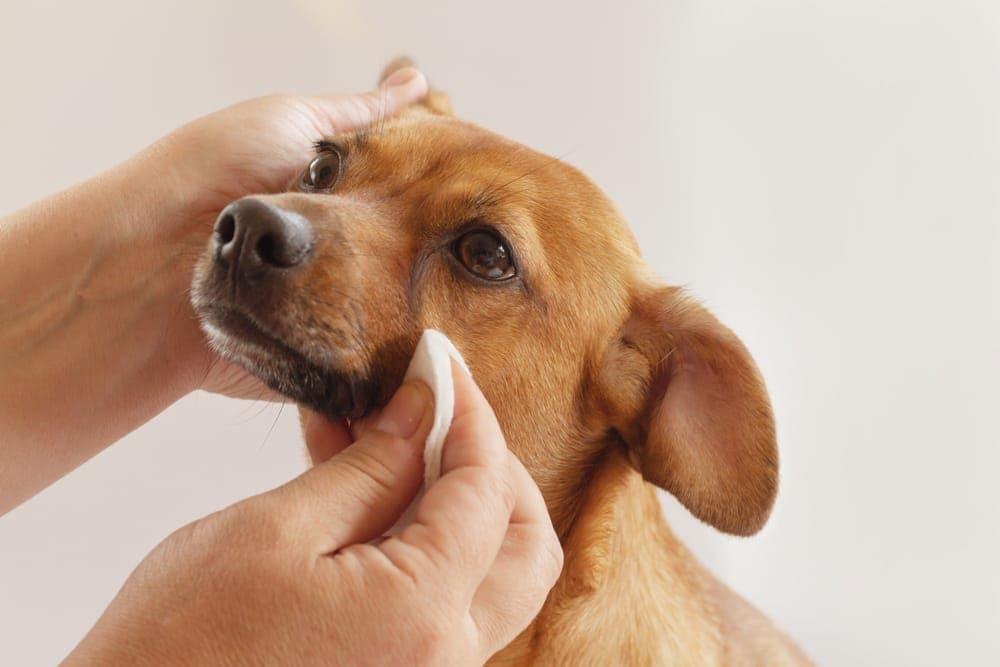
Maintaining your pet's eye hygiene involves regularly checking their eyes for any discharge or irritation, gently wiping away any debris with a clean, damp cloth, and ensuring they receive routine veterinary eye exams to catch potential issues early.
What are the risks of untreated eye diseases?
The risks of untreated eye diseases include potential vision loss, chronic pain, and complications that may affect your pet's overall health. Early intervention is crucial to prevent these serious outcomes and ensure your pet's well-being.
How do veterinary specialists differ from regular vets?
Veterinary specialists differ from regular vets in that they have advanced training and expertise in specific areas of veterinary medicine, such as ophthalmology, enabling them to diagnose and treat complex conditions more effectively.
What technology is used in veterinary eye care?
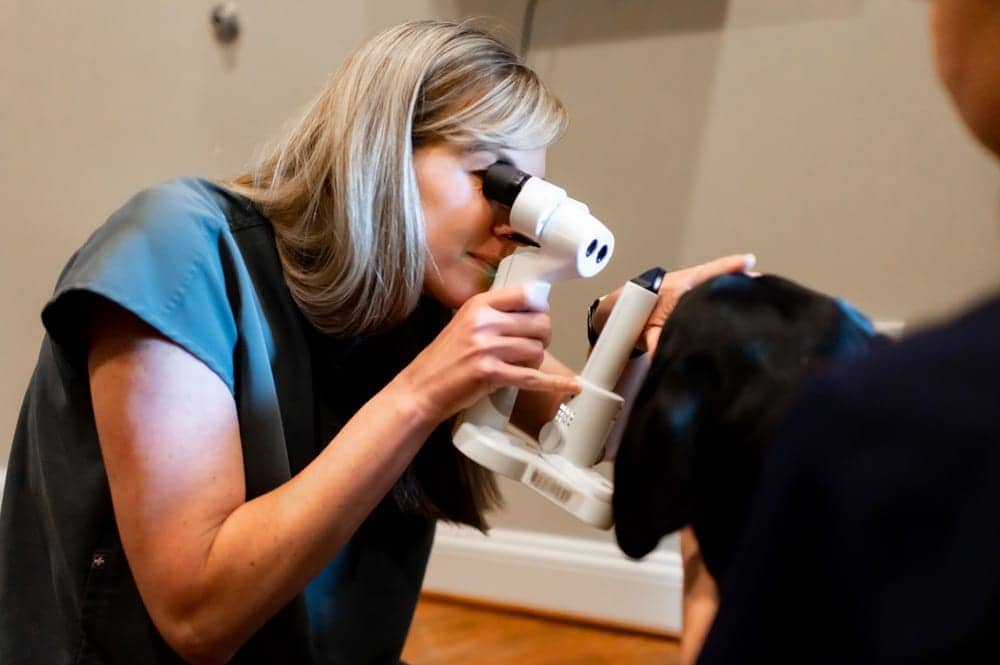
The technology used in veterinary eye care includes advanced diagnostic tools such as tonometers for measuring intraocular pressure, slit lamps for detailed eye examinations, and ultrasound equipment for imaging, ensuring accurate assessments and effective treatments for pets' eye health.
What should I bring to my pets eye appointment?
What to bring to your pet's eye appointment includes your pet's medical history, any medications they are currently taking, and a list of observed symptoms or concerns regarding their eye health.
animal eye care, veterinary vision specialists, vet vision specialists, veterinary ophthalmologist near me, ann bosiack, veterinary vision center
Importance of Regular Eye Exams for Pets
Regular eye exams are crucial for maintaining your pet's overall health and well-being. Just like humans, pets can suffer from various eye conditions that may not show immediate symptoms. Routine examinations allow veterinarians to detect potential issues early, ensuring timely intervention and treatment.
For example, conditions such as cataracts, glaucoma, and retinal diseases can develop silently and lead to severe vision impairment if not addressed promptly. By scheduling regular eye check-ups, pet owners can help safeguard their furry friends' vision and quality of life.
Understanding Common Eye Conditions in Pets
Pet owners should be aware of common eye conditions that can affect their animals, such as conjunctivitis, cataracts, and glaucoma. Each of these conditions presents unique symptoms and requires specific treatment approaches. Understanding these issues can empower owners to seek timely veterinary care.
For instance, conjunctivitis often manifests as redness and discharge from the eye, while cataracts may lead to cloudiness and vision loss. Early recognition of these signs can result in more favorable outcomes and help preserve your pet's vision.
Advanced Diagnostic Techniques for Eye Health
Veterinary ophthalmology has advanced significantly, incorporating state-of-the-art diagnostic techniques to assess and manage eye health in pets. Techniques such as ocular ultrasound and electroretinography allow veterinarians to visualize internal structures and evaluate retinal function accurately.
These advanced methods enhance diagnostic accuracy, leading to more effective treatment plans. For example, ocular ultrasound can help identify tumors or abnormalities behind the eye, while electroretinography assesses the health of the retina, guiding treatment decisions for progressive diseases.
Post-Operative Care for Eye Surgery in Pets
Post-operative care is essential for pets recovering from eye surgery, ensuring optimal healing and minimizing complications. Following surgical procedures, veterinarians provide specific guidelines regarding medication, activity restrictions, and follow-up appointments to monitor recovery.
For example, pets may require anti-inflammatory medications and should be kept calm and confined to prevent injury to the surgical site. Adhering to these post-operative care instructions can significantly enhance recovery outcomes and help restore your pet's vision effectively.
veterinary services, pet wellness plans, vet appointment, emergency vet, mobile vet, 24 hour vet, carecredit for pets, emergency animal hospital, dog vaccinations, veterinary, veterinary clinic, vet mobile, veterinary care, clinic veterinary, vet eye clinic, vet vision specialists
Frequently Asked Questions
How can I ensure my pets eye health?
Ensuring your pet's eye health involves regular veterinary check-ups, monitoring for any changes in vision or eye appearance, and maintaining a clean environment. Promptly address any signs of discomfort or irritation by consulting a veterinary ophthalmologist.
What services do veterinary vision specialists provide?
Veterinary Vision Specialists provide a range of services focused on pet eye health, including comprehensive examinations, diagnostic tests, treatment plans, and surgical procedures for various ocular conditions.
What are the common eye conditions in pets?
The common eye conditions in pets include cataracts, glaucoma, conjunctivitis, and corneal ulcers. These issues can affect your pet's vision and overall eye health, making regular veterinary eye examinations essential.
How can I book an appointment for my pets eye exam?
Booking an appointment for your pet's eye exam is easy. You can schedule an appointment by calling Veterinary Vision Specialists directly or by visiting our website to use our online booking system.
What treatments are available for eye diseases in animals?
The treatments available for eye diseases in animals include comprehensive eye exams, medical management with medications, and various surgical procedures tailored to the specific condition affecting your pet's eyes.
What should I expect during a veterinary eye exam?
During a veterinary eye exam, you can expect a thorough evaluation of your pet's ocular health, including visual assessments, eye pressure measurements, and a detailed inspection of the eye structures to identify any potential issues or diseases.
What are the signs of eye problems in pets?
The signs of eye problems in pets include squinting, excessive tearing, redness, cloudiness, and changes in behavior such as increased sensitivity to light. If you notice any of these symptoms, consult Veterinary Vision Specialists for a thorough evaluation.
How often should pets have eye exams?
The frequency of eye exams for pets should be determined based on their age and health status. Generally, adult pets should have an eye exam at least once a year, while senior pets or those with existing eye conditions may require more frequent evaluations.
What is the process for diagnosing eye conditions?
The process for diagnosing eye conditions involves a thorough examination by a veterinary ophthalmologist, including visual assessments, specialized tests, and imaging techniques to identify any issues affecting your pet's ocular health.
Are there preventive measures for pet eye health?
Preventive measures for pet eye health include regular veterinary check-ups, maintaining a clean environment, ensuring proper nutrition, and protecting pets from potential eye injuries. Early detection and care can help prevent serious ocular conditions.
What surgical options are available for eye issues?
The surgical options available for eye issues in pets include procedures such as cataract surgery, eyelid repair, and corneal surgery. These treatments aim to restore vision and improve overall eye health.
How do I recognize eye infections in pets?
Recognizing eye infections in pets involves observing symptoms such as redness, swelling, excessive tearing, discharge, squinting, or pawing at the eyes. If you notice these signs, consult Veterinary Vision Specialists for a thorough examination and appropriate treatment.
What is the recovery time after eye surgery?
The recovery time after eye surgery varies depending on the specific procedure, but generally, pets may require a few days to several weeks for full recovery. Follow your veterinarian's post-operative care instructions to ensure optimal healing.
Can pets develop cataracts, and how are they treated?
Pets can develop cataracts, which are cloudy areas in the lens of the eye that can lead to vision impairment. Treatment typically involves surgical removal of the cataract to restore clear vision.
What medications are used for pet eye conditions?
Medications used for pet eye conditions typically include antibiotic drops for infections, anti-inflammatory medications to reduce swelling, and artificial tears to alleviate dryness. Your veterinarian will determine the appropriate treatment based on the specific condition.
How can I maintain my pets eye hygiene?
Maintaining your pet's eye hygiene involves regularly checking their eyes for any discharge or irritation, gently wiping away any debris with a clean, damp cloth, and ensuring they receive routine veterinary eye exams to catch potential issues early.
What are the risks of untreated eye diseases?
The risks of untreated eye diseases include potential vision loss, chronic pain, and complications that may affect your pet's overall health. Early intervention is crucial to prevent these serious outcomes and ensure your pet's well-being.
How do veterinary specialists differ from regular vets?
Veterinary specialists differ from regular vets in that they have advanced training and expertise in specific areas of veterinary medicine, such as ophthalmology, enabling them to diagnose and treat complex conditions more effectively.
What technology is used in veterinary eye care?
The technology used in veterinary eye care includes advanced diagnostic tools such as tonometers for measuring intraocular pressure, slit lamps for detailed eye examinations, and ultrasound equipment for imaging, ensuring accurate assessments and effective treatments for pets' eye health.
What should I bring to my pets eye appointment?
What to bring to your pet's eye appointment includes your pet's medical history, any medications they are currently taking, and a list of observed symptoms or concerns regarding their eye health.
animal eye care, veterinary vision specialists, vet vision specialists, veterinary ophthalmologist near me, ann bosiack, veterinary vision center
Importance of Regular Eye Exams for Pets
Regular eye exams are crucial for maintaining your pet's overall health and well-being. Just like humans, pets can suffer from various eye conditions that may not show immediate symptoms. Routine examinations allow veterinarians to detect potential issues early, ensuring timely intervention and treatment.
For example, conditions such as cataracts, glaucoma, and retinal diseases can develop silently and lead to severe vision impairment if not addressed promptly. By scheduling regular eye check-ups, pet owners can help safeguard their furry friends' vision and quality of life.
Understanding Common Eye Conditions in Pets
Pet owners should be aware of common eye conditions that can affect their animals, such as conjunctivitis, cataracts, and glaucoma. Each of these conditions presents unique symptoms and requires specific treatment approaches. Understanding these issues can empower owners to seek timely veterinary care.
For instance, conjunctivitis often manifests as redness and discharge from the eye, while cataracts may lead to cloudiness and vision loss. Early recognition of these signs can result in more favorable outcomes and help preserve your pet's vision.
Advanced Diagnostic Techniques for Eye Health
Veterinary ophthalmology has advanced significantly, incorporating state-of-the-art diagnostic techniques to assess and manage eye health in pets. Techniques such as ocular ultrasound and electroretinography allow veterinarians to visualize internal structures and evaluate retinal function accurately.
These advanced methods enhance diagnostic accuracy, leading to more effective treatment plans. For example, ocular ultrasound can help identify tumors or abnormalities behind the eye, while electroretinography assesses the health of the retina, guiding treatment decisions for progressive diseases.
Post-Operative Care for Eye Surgery in Pets
Post-operative care is essential for pets recovering from eye surgery, ensuring optimal healing and minimizing complications. Following surgical procedures, veterinarians provide specific guidelines regarding medication, activity restrictions, and follow-up appointments to monitor recovery.
For example, pets may require anti-inflammatory medications and should be kept calm and confined to prevent injury to the surgical site. Adhering to these post-operative care instructions can significantly enhance recovery outcomes and help restore your pet's vision effectively.