Veterinary Vision Specialists: Expert Dry Eye Treatment for Dogs

Dry eyes in dogs don’t just cause minor discomfort—it can significantly impact your pet’s daily life and long-term eye health. At Veterinary Vision Specialists, Dr. Ann Bosiack provides specialized diagnosis and treatment for this common condition, technically called keratoconjunctivitis sicca (KCS). When your dog’s tear glands don’t produce enough moisture to properly lubricate their eyes, numerous uncomfortable symptoms can develop and potentially threaten their vision.

Our team understands the concern you feel when your pet shows signs of eye discomfort, and we’re committed to providing effective dry eye treatment that brings relief while protecting your companion’s precious sight for years to come.

Close-up of a large gray dog’s eye showing signs of dryness and discharge, highlighting the impact of dry eye conditions in pets.

Understanding Dry Eye in Pets

Dry eye treatment for dogs involves a comprehensive approach that addresses both the underlying causes and symptoms of insufficient tear production. Unlike humans who might experience temporary eye dryness, canine dry eye is often a chronic condition requiring ongoing management. Without proper treatment, dry eyes can progress from mild irritation to severe discomfort and potential vision impairment.

The goal of effective dry eye treatment is threefold: to replace missing tears, stimulate natural tear production when possible, and reduce inflammation that often accompanies the condition. Our treatments are tailored to each patient’s specific needs, considering factors like breed predisposition, age, overall health, and the severity of their symptoms.

Close-up of a person gently cleaning a pug dog's nose with a soft cloth, emphasizing pet care and hygiene related to dry eye treatment for dogs.

Benefits of Dry Eye Treatment in Pets

Our Dry Eye Treatment Process

Comprehensive Eye Evaluation

During your first visit with Dr. Bosiack, we’ll conduct a thorough examination of your dog’s eyes, including specialized tests to measure tear production. We’ll discuss your pet’s symptoms, when you first noticed changes, and any previous treatments you’ve tried. This comprehensive assessment helps us understand the severity and specific characteristics of your dog’s dry eye condition.

Personalized Care Strategy

Based on our findings, Dr. Bosiack will develop a personalized treatment approach designed specifically for your dog’s needs. This plan may include prescription eye medications, artificial tear supplements, and recommendations for at-home care. We consider factors like your dog’s breed, age, overall health, and lifestyle when creating this customized plan to ensure it will be both effective and practical.

Hands-On Medication Training

We’ll demonstrate how to properly administer all prescribed medications and eye drops during your visit. Proper technique is crucial for ensuring medications reach the eye surface effectively and in the correct amounts. We’ll also provide a clear schedule for administration and discuss what improvements you should expect to see over time.

At-Home Management Guidance

Managing your dog’s environment can significantly impact dry eye treatment success. We’ll recommend strategies like avoiding smoke or dust exposure, maintaining proper humidity levels in your home, and regular gentle cleaning around the eyes. These simple adjustments complement medical treatment and make healing easier for your dog’s eyes.

Progress Monitoring Visits

Regular monitoring is essential for successful dry eye management. We’ll schedule follow-up appointments to assess your dog’s response to treatment and make any necessary adjustments. Dr. Bosiack will track tear production measurements over time to evaluate improvement and may modify your pet’s treatment plan as their condition evolves.

Why Choose Our Approach to Dry Eye Treatment

At Veterinary Vision Specialists, we take pride in our specialized approach to canine ophthalmology. Dr. Ann Bosiack has extensive training and experience specifically in treating eye conditions like dry eye in dogs of all breeds and ages. We use the latest diagnostic equipment to accurately measure tear production and evaluate eye health, allowing for precise treatment tailoring and monitoring.

Our practice understands that successful dry eye treatment requires a partnership between our team and pet owners. We take the time to educate you about your dog’s condition, demonstrate proper medication administration techniques, and remain available to answer questions between appointments. This collaborative approach leads to better compliance with treatment plans and improved outcomes for your beloved pet.

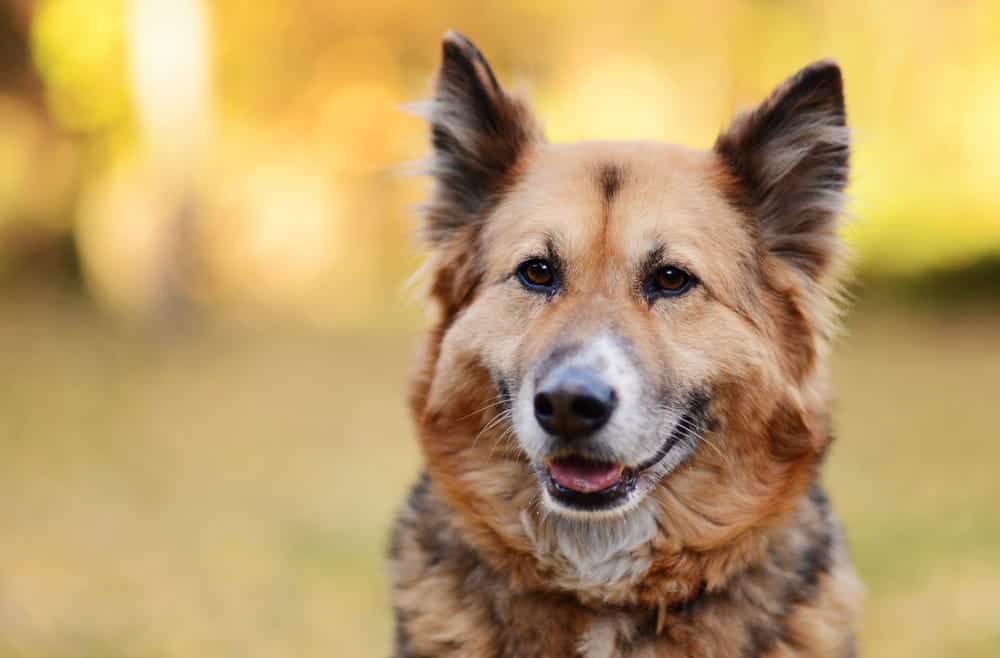
Dog with a happy expression in autumn scenery, representing canine eye health and wellness, relevant to Veterinary Vision Specialists' focus on treating dry eye conditions in dogs.

Dog Dry Eye FAQs: Causes, Treatments & Care Tips

How to treat dry eyes in dogs naturally?

Natural approaches can complement medical treatment for canine dry eye, including proper hydration, omega-3 fatty acid supplements, and maintaining humidity in your dog’s environment. Gentle eyelid massages may help stimulate natural tear production in mild cases. However, these methods should only supplement rather than replace veterinary care, as most dry eye cases require prescription medications for effective management.

What causes dry eyes in dogs?

Dry eye in dogs primarily results from immune-mediated inflammation that damages tear-producing glands. Other causes include certain medications (like sulfa antibiotics), breed predispositions (especially in Cocker Spaniels, Bulldogs, and West Highland White Terriers), autoimmune disorders, and complications from previous eye infections. In some cases, physical damage to tear ducts or glands from trauma or surgery can also lead to insufficient tear production.

Can dogs go blind from dry eyes?

Yes, untreated dry eyes can potentially lead to blindness in dogs when severe corneal damage occurs over time. Without adequate tear film protection, the cornea can develop deep ulcers, scarring, and pigmentation that progressively obstructs vision. Chronic inflammation associated with dry eye can also cause permanent structural changes to the eye’s surface that interfere with light transmission and visual processing.

Can dry eyes in dogs cause blindness?

Dry eyes can indeed cause blindness when left untreated or inadequately managed for extended periods. The combination of corneal scarring, pigment deposition, and chronic inflammation gradually diminishes visual clarity. Secondary bacterial infections that occur more frequently with dry eye can cause additional damage to eye structures vital for vision. Early diagnosis and sticking to the treatment plan help protect their vision.

How do I know if my dog has dry eyes?

Signs of dry eye in dogs include redness, squinting, frequent blinking, and thick, mucus-like discharge that’s often yellowish or greenish. You might notice your dog pawing at their eyes, experiencing sensitivity to light, or having a dull, lackluster appearance to the eye surface. Regular eye rubbing against furniture or with paws, cloudy corneas, or visible third eyelids are additional indicators that warrant prompt veterinary evaluation.

Restore Your Pet’s Bright-Eyed Comfort

Has your dog’s sparkle faded due to dry, irritated eyes? Your companion deserves to experience the world through comfortable, healthy eyes again. Dr. Ann Bosiack at Veterinary Vision Specialists specializes in transforming uncomfortable, cloudy eyes into comfortable, clearer ones through targeted dry eye treatment.

Don’t let another day pass with your pet squinting in discomfort or developing potentially serious corneal damage. Your quick action today means years of better vision tomorrow—call 804-636-0246 to schedule your pet’s personalized dry eye evaluation with our expert team.

Book Appointment