Distichia and Ectopic Cilia Treatment

Veterinary Vision Specialists provides specialized care for pets suffering from distichia and ectopic cilia—conditions that can significantly impact your pet’s comfort and ocular health. These abnormal eyelash conditions occur when hairs grow in improper locations, causing irritation and potential damage to the eye.

Dr. Ann Bosiack and our expert team combine advanced diagnostic techniques with gentle, effective treatments to address these conditions and help your pet feel better again. We understand how concerning eye problems can be for pet owners, which is why we take a personalized approach to each case.
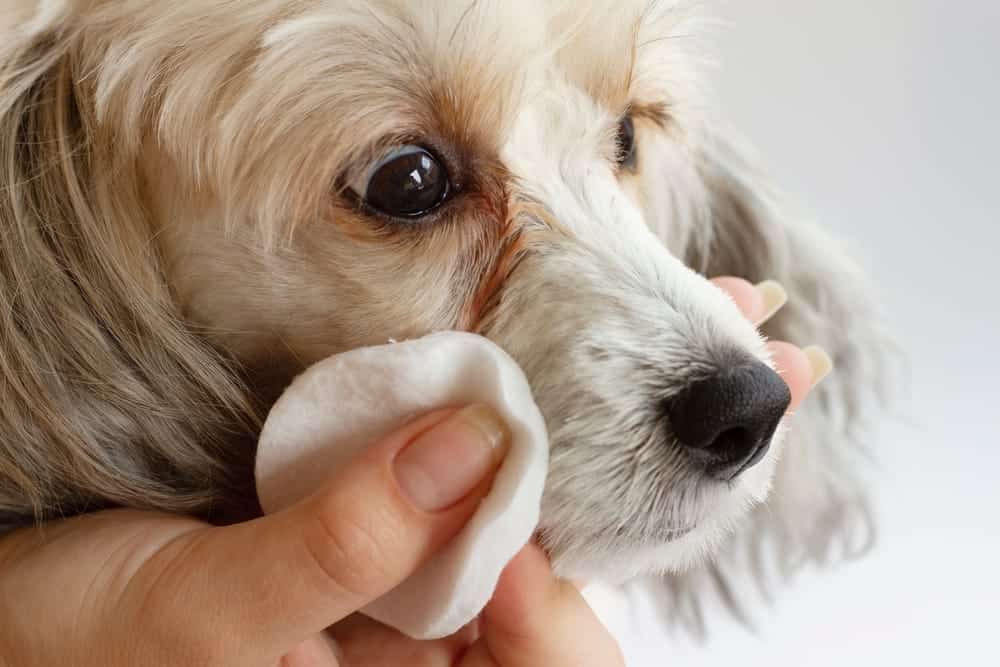
Dog receiving gentle eye cleaning treatment for ocular health, focusing on the eye area and a cotton pad.

Understanding Distichia and Ectopic Cilia in Pets

When your pet develops distichia (extra eyelashes growing from abnormal positions along the eyelid margin) or ectopic cilia (hairs emerging through the inside of the eyelid), they experience constant irritation with every blink. These conditions frequently lead to symptoms including excessive tearing, redness, squinting, and persistent eye rubbing as your pet attempts to relieve their discomfort.

Without proper intervention, these misplaced hairs can create corneal ulcers, chronic inflammation, and potentially serious complications affecting your pet’s vision. Prompt, professional treatment is essential not only for immediate relief but also for preventing long-term damage that could permanently affect your pet’s quality of life and ocular health.

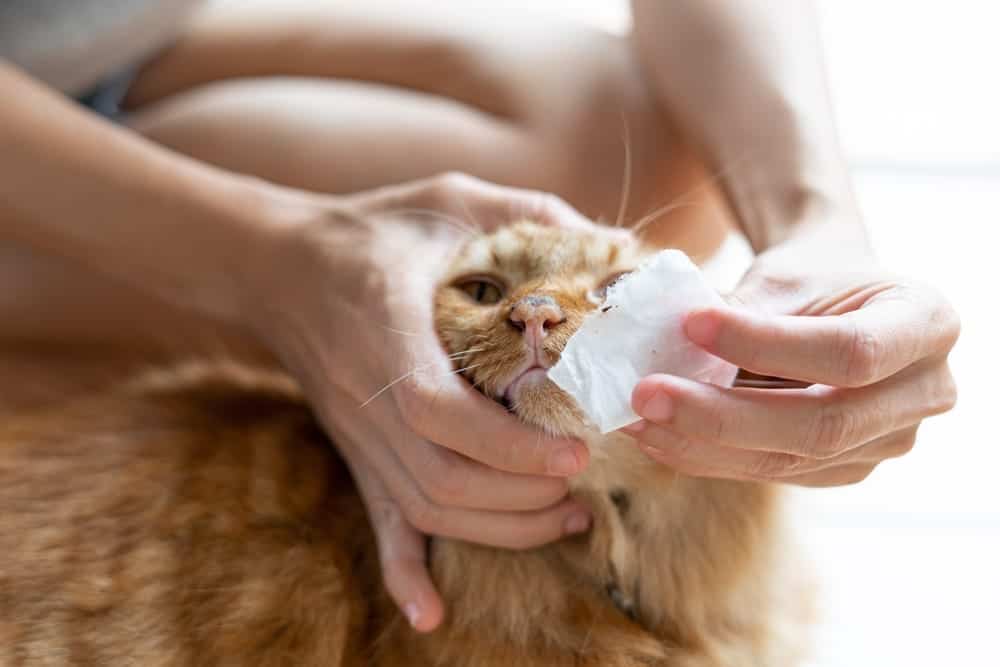
Woman gently cleaning the nose of an orange cat, illustrating pet care related to eye discomfort from distichia or ectopic cilia.

Benefits of Distichia and Ectopic Cilia Treatment

Our Distichia and Ectopic Cilia Treatment Process

Thorough Eye Examination

Your first visit to Veterinary Vision Specialists begins with a comprehensive examination of your pet’s eyes by Dr. Ann Bosiack. We’ll discuss your pet’s symptoms, medical history, and any prior treatments or diagnoses. Using specialized ophthalmic equipment, we’ll carefully evaluate the position and extent of the abnormal eyelashes to determine the most appropriate treatment approach for your pet’s unique situation.

Personalized Care Planning

Based on our findings during the initial examination, we’ll develop a personalized treatment plan for your pet. This plan considers factors such as the number and position of abnormal lashes, the severity of symptoms, and your pet’s overall health. We’ll discuss all treatment options with you, including cryotherapy, electrolysis, or surgical removal, along with their benefits and what to expect during recovery.

Precise Microsurgical Techniques

On the day of treatment, we ensure your pet is comfortable with appropriate sedation or anesthesia based on the selected procedure. Even a single misplaced lash can cause daily pain. That’s why we use microsurgical tools to precisely remove these irritating hairs. Throughout the procedure, we monitor your pet closely and use specialized equipment to address even the most challenging cases of distichia and ectopic cilia.

Comprehensive Home Care Support

Following treatment, we’ll provide you with detailed instructions for at-home care to promote healing and comfort. These typically include administering prescribed medications, preventing your pet from rubbing their eyes, and recognizing signs that require immediate attention. Most pets experience significant improvement within days of treatment, though some mild sensitivity may persist briefly during the healing process.

Post-Treatment Evaluation

A follow-up appointment will be scheduled to evaluate your pet’s recovery and the success of the treatment. During this visit, Dr. Bosiack will examine the treatment areas to ensure proper healing and confirm that all abnormal lashes have been effectively addressed. We’ll also discuss any long-term management strategies that may be necessary, especially for breeds predisposed to recurrent distichia or ectopic cilia.

Why Choose Us for Distichia and Ectopic Cilia Treatment

Veterinary Vision Specialists offers specialized expertise in treating complex ocular conditions like distichia and ectopic cilia. Dr. Ann Bosiack brings extensive experience in veterinary ophthalmology and stays current with the latest treatment advances to provide the highest standard of care. Our practice is equipped with advanced diagnostic and surgical equipment specifically designed for precision eyelid treatments. We understand the stress these conditions cause for both pets and their owners, so we emphasize compassionate care that prioritizes your pet’s comfort while delivering effective results.

Pet care worker gently cleaning a dog's eye with a cotton pad, emphasizing compassionate care in veterinary treatment.

Distichia and Ectopic Cilia FAQs for Pet Owners

Is distichiasis in dogs hereditary?

Yes, distichiasis in dogs is considered a hereditary condition that appears more frequently in certain breeds. Breeds commonly affected include Cocker Spaniels, Shih Tzus, Bulldogs, Golden Retrievers, and many long-haired breeds. Because of its genetic basis, dogs diagnosed with distichiasis should generally not be bred to avoid passing the condition to offspring.

What is distichiasis in dogs?

Distichiasis is a condition where extra eyelashes grow from abnormal locations in the eyelid, specifically from the meibomian glands. These extra lashes typically grow toward the cornea and can cause irritation, excessive tearing, squinting, and rubbing of the eyes. In severe cases, distichiasis can lead to corneal ulcers, which may threaten vision if left untreated.

What is it called when a dog's eyelashes grow inward?

When a dog’s eyelashes grow inward toward the cornea, this condition is called entropion if it involves the entire eyelid turning inward, or distichiasis if it specifically refers to abnormal eyelashes growing from the meibomian glands. Ectopic cilia describe individual hairs that emerge from the inside surface of the eyelid and directly contact the cornea. All these conditions can cause significant discomfort and potential damage to the eye surface.

Can dogs get ingrown eyelashes?

Yes, dogs can develop ingrown eyelashes, which are often classified as distichia or ectopic cilia depending on their exact location. Ectopic cilia are particularly problematic as they grow through the conjunctiva on the inside of the eyelid and directly contact the cornea. These conditions are particularly painful for dogs and require prompt veterinary attention to prevent corneal damage and provide relief.

Take The First Step Toward Eye Comfort

Your pet deserves relief from the discomfort of distichia and ectopic cilia, and expert treatment can make a remarkable difference in their quality of life. Dr. Ann Bosiack and the team at Veterinary Vision Specialists are committed to providing exceptional care that addresses both immediate symptoms and long-term eye health. Follow us on Facebook and Instagram for educational content about pet eye health, and call 804-636-0246 today to schedule a consultation for your pet.

Book Appointment