
Your pet’s eyes deserve expert care when facing painful corneal ulcers. At Veterinary Vision Specialists, we understand how concerning it can be when your beloved companion experiences eye discomfort or injury. Dr. Ann Bosiack specializes in diagnosing and treating corneal ulcers in dogs and cats, providing compassionate care that prioritizes your pet’s comfort and vision preservation.
Corneal Ulcer Treatment
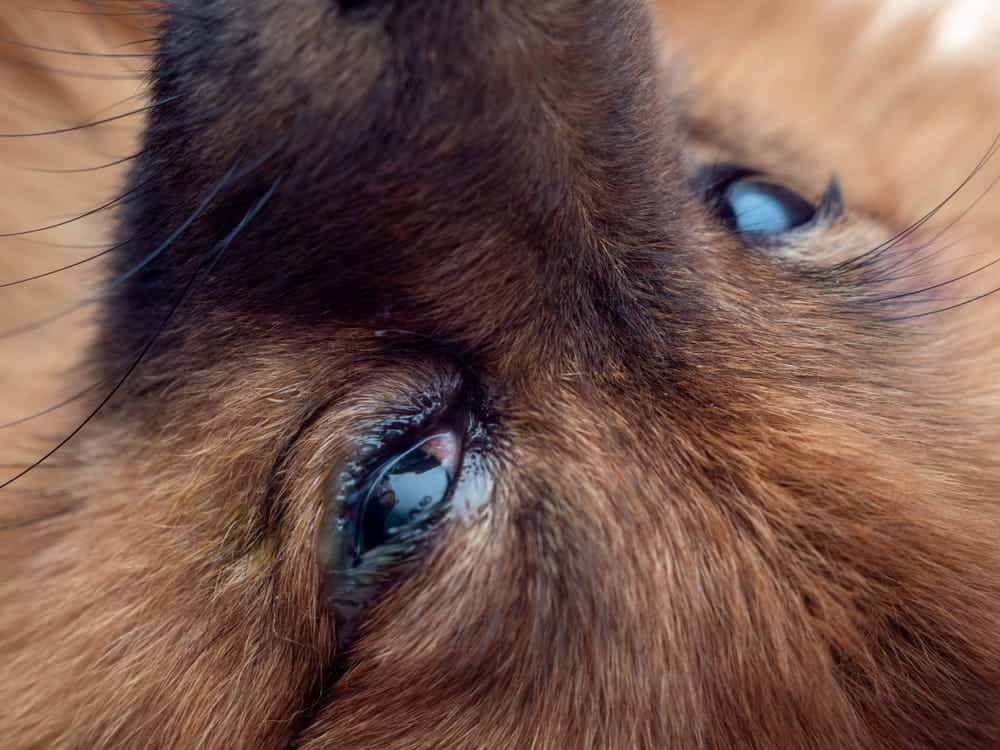
Understanding Corneal Ulcer Treatment
Corneal ulcers are open sores on the cornea—the clear, protective outer layer of your pet’s eye. These painful conditions occur when the cornea’s surface layer is damaged, exposing deeper tissue layers to potential infection and inflammation.
Common causes include trauma, foreign objects, infection, or underlying eye conditions. Without proper corneal ulcer treatment, your pet risks serious complications including vision impairment or loss. Early detection and professional veterinary care significantly improve healing outcomes and reduce complication risks.

Benefits of Corneal Ulcer Treatment
Our Corneal Ulcer Treatment Process
Comprehensive Eye Evaluation
Our corneal ulcer treatment begins with a thorough eye examination using specialized equipment to assess the ulcer’s size, depth, and severity. Dr. Bosiack will evaluate your pet’s overall eye health and look for underlying causes or contributing factors. This detailed assessment allows us to understand your pet’s unique situation and determine the most effective treatment approach for their specific corneal ulcer.
Personalized Care Strategy
Based on our examination findings, we develop a personalized corneal ulcer treatment strategy targeting your pet’s specific condition. This plan may include antimicrobial medications, pain management, healing promoters, and specialized techniques appropriate for the ulcer type and severity. We carefully explain each treatment component and ensure you understand how to properly administer medications or perform any necessary at-home care.
Expert Medical Intervention
Depending on the ulcer’s severity, treatment may involve in-office procedures, prescribed medications, or a combination of approaches. Some cases require specialized techniques like grid keratotomy, conjunctival grafts, or serum therapy to promote proper healing. Throughout treatment implementation, we prioritize your pet’s comfort while utilizing the most effective evidence-based approaches for corneal healing.
Home Care Guidelines
We provide comprehensive guidance on properly administering prescribed medications and protecting your pet’s eye during healing. This includes instructions on using protective collars, limiting certain activities, and maintaining a safe environment to prevent further injury. Our team remains available to answer questions and address concerns that arise during your pet’s recovery period.
Recovery Monitoring
Regular progress evaluations are essential to monitor healing and make any necessary treatment adjustments. These follow-up appointments allow us to track improvement, assess medication effectiveness, and ensure the ulcer is healing properly. We continue follow-up care until the corneal ulcer is completely healed, with potentially additional visits to confirm long-term eye health and prevent recurrence.
Why Choose Us for Corneal Ulcer Treatment
At Veterinary Vision Specialists, corneal ulcer treatment is performed with exceptional expertise and compassion by Dr. Ann Bosiack and our dedicated team. We combine advanced diagnostic equipment with advanced care you won’t usually find at a general vet’s office. Our approach prioritizes both immediate relief and long-term eye health, ensuring your pet receives comprehensive care throughout their recovery journey. We understand the stress and worry that comes with pet eye injuries, and we’re committed to clear communication, thorough education, and supportive guidance every step of the way.
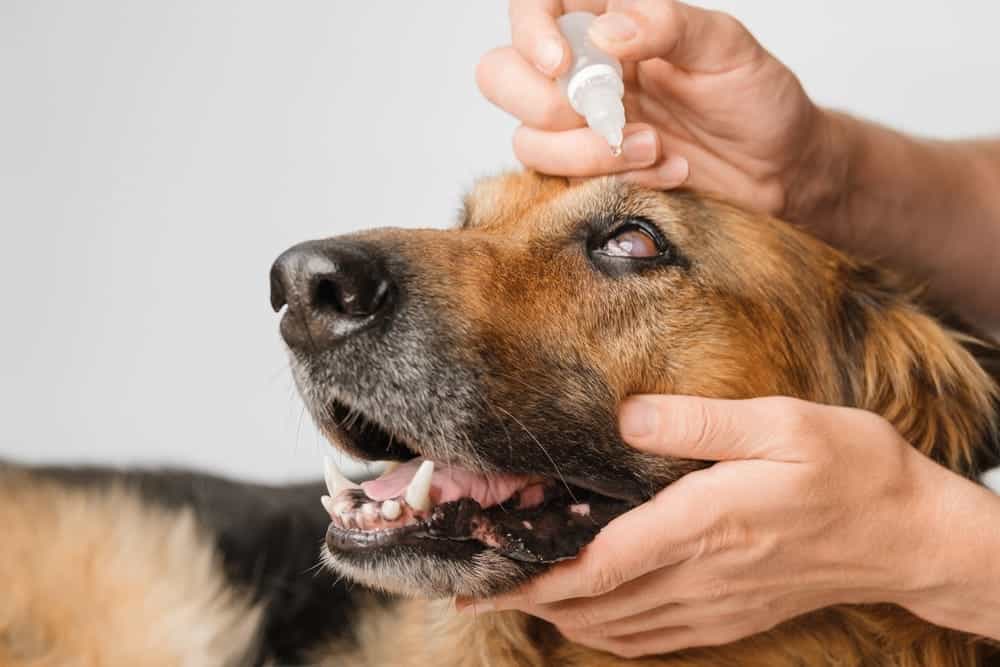
Corneal Ulcer FAQs for Pets: Causes, Treatment & Prevention
What causes eye ulcers in dogs?
Eye ulcers in dogs can result from physical trauma like scratches, embedded foreign objects, or chemical irritants that damage the corneal surface. Some breeds with prominent eyes or eyelid abnormalities are genetically predisposed to developing corneal ulcers due to inadequate eye lubrication or improper eyelid closure. Other potential causes include bacterial or fungal infections, underlying health conditions like dry eye syndrome, and environmental factors such as dust or smoke irritation.
How to treat eye ulcers in dogs?
Treatment for eye ulcers in dogs typically involves a combination of antibiotic eye drops or ointments to prevent or address infection, along with pain management medications to keep your pet comfortable. More serious or deep ulcers may require specialized procedures such as debridement (removal of damaged tissue), protective conjunctival grafts, or even surgical intervention to promote proper healing. Your veterinary ophthalmologist will develop a customized treatment plan based on the ulcer’s severity, type, and your dog’s specific needs.
Will a dog eye ulcer heal on its own?
Minor superficial corneal ulcers occasionally heal on their own, but most require professional veterinary treatment to ensure proper healing and prevent complications. Without appropriate treatment, even small ulcers can quickly worsen, leading to deeper tissue damage, infection, or permanent scarring that affects vision. Professional evaluation is always recommended for any suspected corneal ulcer, as what appears minor initially can rapidly develop into a sight-threatening condition requiring immediate intervention.
Are eye ulcers painful for dogs?
Eye ulcers are extremely painful for dogs, often causing symptoms like excessive squinting, pawing at the eye, increased tear production, and general signs of discomfort or distress. The cornea contains numerous nerve endings that become exposed when the protective surface layer is compromised, resulting in significant pain comparable to having sand constantly rubbing against your eye. This pain often causes behavioral changes such as decreased activity, irritability, or loss of appetite, making prompt pain management a crucial component of proper corneal ulcer treatment.
Can eye ulcers in dogs cause blindness?
Untreated or improperly managed eye ulcers can absolutely lead to blindness in dogs through several mechanisms, including severe scarring that obstructs vision or ulcer progression to deeper eye structures. Deep ulcers risk corneal perforation—a medical emergency where the cornea ruptures, potentially leading to infection inside the eye, lens damage, or retinal detachment. Early, appropriate treatment significantly reduces these risks, which is why prompt veterinary care is essential whenever a corneal ulcer is suspected.
Save Your Pet’s Eyesight Before Ulcers Worsen
Time matters when your pet has a corneal ulcer. Waiting could mean the difference between quick recovery and permanent damage to your pet’s vision. Trust Dr. Ann Bosiack’s specialized training and years of experience treating even the most challenging eye conditions. Call our office at 804-636-0246 to schedule your pet’s evaluation – your quick action today protects their sight for tomorrow.
Book Appointment