Expert Cherry Eye Treatment for Pets at Veterinary Vision Specialists

Discovering a red mass in your pet’s eye can trigger immediate concern for any pet owner. Cherry eye affects many dogs when their third eyelid’s tear gland becomes displaced, resulting in a visible red protrusion at the corner of the eye. At Veterinary Vision Specialists, Dr. Ann Bosiack provides expert diagnosis and treatment for this common condition, focusing on preserving tear production while eliminating discomfort.

Our specialized approach addresses both the immediate symptoms and long-term eye health of your pet, ensuring they receive compassionate care from diagnosis through recovery. We understand the stress that eye conditions cause for pets and their families, which is why we prioritize clear communication throughout your pet’s treatment process.
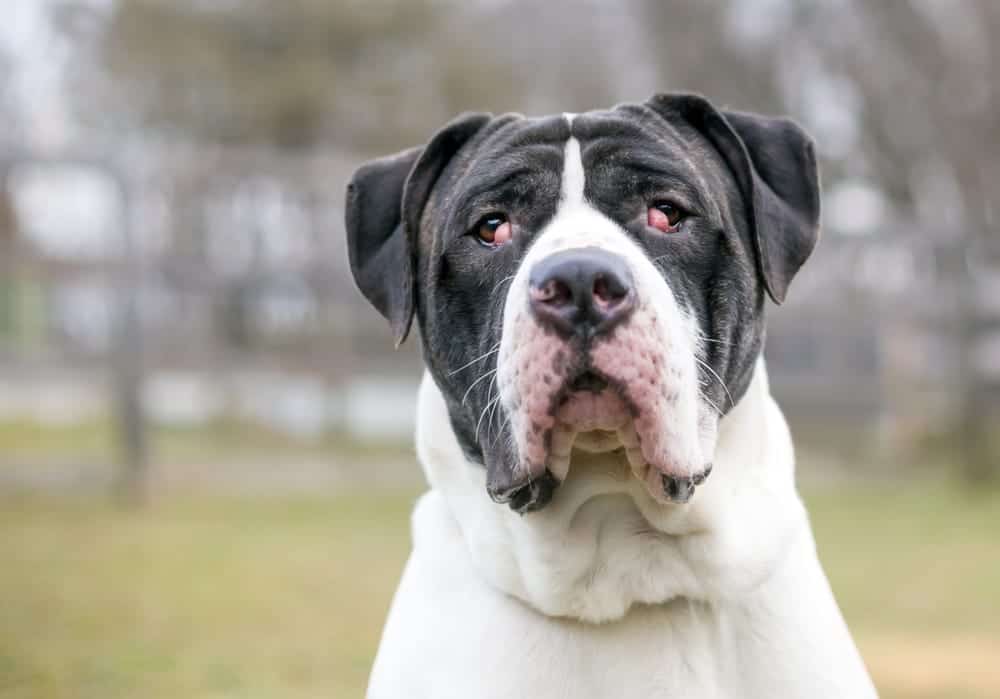
Mastiff mixed breed dog with a visible red mass in its eye, illustrating cherry eye condition, in a natural outdoor setting.

Understanding Cherry Eye

Cherry eye, medically known as nictitans gland prolapse, occurs when the tear gland attached to a dog’s third eyelid becomes displaced and protrudes from its normal position. This condition appears as a red or pink mass in the corner of your pet’s eye, resembling a small cherry—hence the name. While cherry eye can affect any breed, certain breeds like Bulldogs, Cocker Spaniels, and Beagles have a higher predisposition due to weaker connective tissues supporting the gland.

The third eyelid plays a crucial role in tear production and eye protection. When the gland prolapses, it not only creates cosmetic concerns but can lead to dry eye and other complications if left untreated. Early intervention by an experienced veterinary ophthalmologist is essential to preserve your pet’s ocular health and comfort.

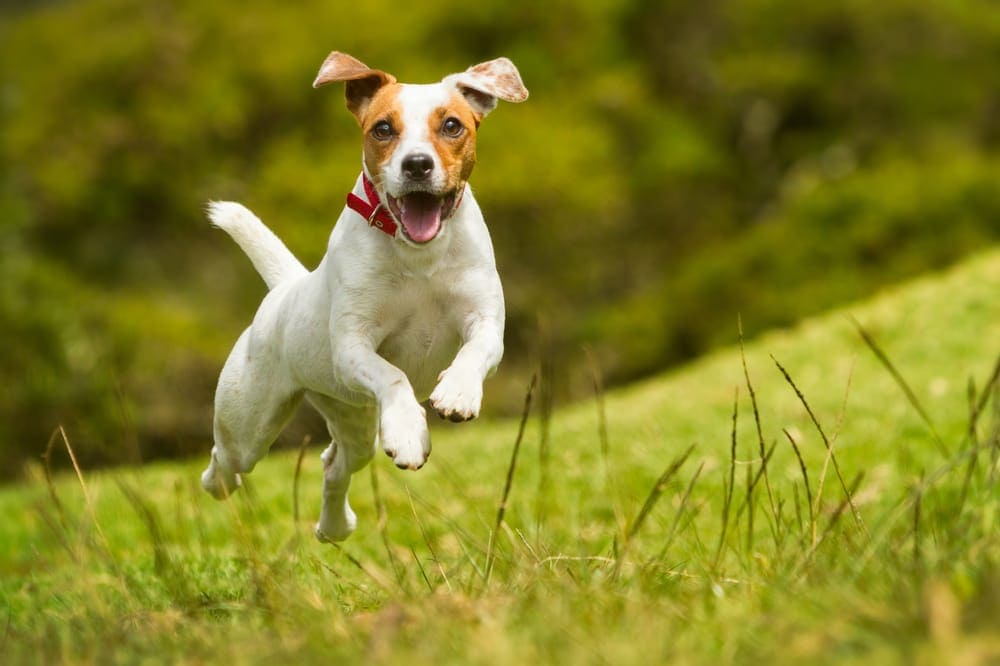
Jack Russell Terrier dog joyfully running and jumping in a grassy field, embodying playful energy and companionship, relevant to pet care and cherry eye treatment awareness.

Benefits of Cherry Eye Treatment

Our Cherry Eye Treatment Process

Comprehensive Eye Evaluation

During your first visit with Dr. Ann Bosiack, she will conduct a detailed examination of your pet’s eyes to confirm the cherry eye diagnosis and assess its severity. This thorough evaluation includes checking tear production levels and examining for any secondary complications such as inflammation or corneal damage. Our team will discuss your pet’s medical history and any symptoms you’ve noticed at home, creating a complete picture of your pet’s condition and how it may be affecting their comfort.

Personalized Care Planning

Based on your pet’s specific needs, Dr. Bosiack will develop a customized treatment approach that considers factors like how long the gland has been prolapsed, your pet’s breed, and whether both eyes are affected. This individualized plan might include surgical intervention to reposition the gland or medical management for milder cases. We take time to explain all available options, including benefits, risks, and expected outcomes, empowering you to make informed decisions about your pet’s eye health.

Surgical Correction Procedure

For most cherry eye cases, surgical correction provides the best long-term results by repositioning the prolapsed gland to its natural location. Dr. Bosiack uses advanced techniques that preserve the gland’s important tear-producing function while securing it properly in place. The procedure typically takes less than an hour under general anesthesia, with most pets able to return home the same day. Your pet’s comfort and safety remain our priority throughout this process.

Recovery Support at Home

Following treatment, you’ll receive specific instructions on caring for your pet during recovery, including how to administer prescribed eye medications and prevent your pet from disturbing the surgical site. An Elizabethan collar may be necessary temporarily to protect the eye area. Our team will guide you through keeping the eye clean and recognizing signs of normal healing versus potential complications. Clear communication ensures you feel confident managing your pet’s aftercare needs.

Monitoring Healing Progress

We’ll schedule a follow-up appointment to evaluate your pet’s recovery and confirm the gland remains properly positioned. Dr. Bosiack will check tear production and assess for any signs of complications during this important visit. For breeds predisposed to cherry eye, we may recommend periodic check-ups to monitor the unaffected eye or ensure long-term success of the treatment. Our support continues well beyond the initial procedure to ensure optimal outcomes for your pet’s ocular health.

Why Choose Us for Cherry Eye Treatment

At Veterinary Vision Specialists, we specialize exclusively in eye care for pets, giving us unparalleled expertise in treating conditions like cherry eye. Dr. Ann Bosiack has extensive training and experience in veterinary ophthalmology, employing the most current and effective surgical techniques that preserve gland function. Our team understands the importance of your pet’s vision and comfort, and we treat each case with personalized attention and compassion.

We recognize that pet eye conditions can be stressful for both pets and their owners. That’s why we take time to thoroughly explain every aspect of your pet’s condition and treatment options. Our modern facility is equipped with specialized equipment for diagnosing and treating ocular conditions, ensuring your pet receives the highest standard of care in a comfortable environment.

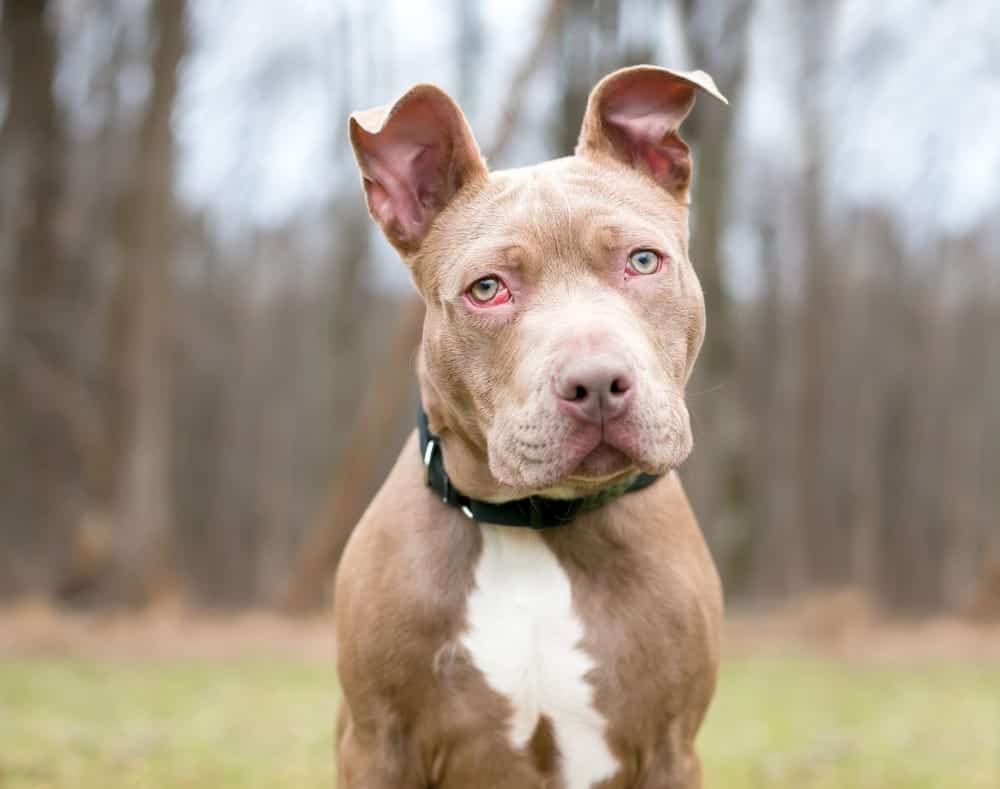
Pit Bull Terrier mixed breed dog with cherry eye, showcasing red mass from prolapsed third eyelid gland, in a natural outdoor setting.

Cherry Eye FAQs for Dogs: Causes, Symptoms & Solutions

What causes cherry eyes in dogs?

Cherry eye results from weakness in the connective tissue that anchors the third eyelid gland to surrounding structures in your dog’s eye. This weakness allows the gland to prolapse or “pop out,” creating the characteristic red mass. Genetic factors play a significant role, with certain breeds having a higher predisposition to developing this condition.

How to treat cherry eye in dogs without surgery?

Non-surgical management typically involves gentle massage and anti-inflammatory eye drops to reduce swelling and provide temporary relief. Your veterinarian can demonstrate proper massage techniques aimed at gently repositioning the gland. While these conservative measures may help in mild cases, they rarely result in permanent correction and surgery is often eventually needed.

Does cherry eye hurt dogs?

Cherry eye itself isn’t typically painful but can cause irritation and a foreign body sensation in the eye. You may notice your dog pawing at the affected eye, squinting, or producing excessive tears in response to the prolapsed gland. If left untreated, the exposed gland may become dry and inflamed, leading to increased discomfort over time.

Is cherry eye in dogs contagious?

Cherry eye is not contagious and cannot spread between dogs or to humans. The condition stems from anatomical factors and genetic predisposition rather than any infectious agent. Multiple dogs in the same household developing cherry eye indicates shared genetics, not transmission.

Can a dog go blind from a cherry eye?

Cherry eye rarely causes blindness directly, but untreated cases can potentially contribute to vision problems over time. The primary risk comes from decreased tear production if the prolapsed gland becomes damaged or is improperly removed. Proper and timely treatment by a veterinary ophthalmologist significantly reduces these risks to your dog’s vision.

Restore Your Pet’s Comfort and Vision

Early intervention for cherry eye significantly improves your pet’s chances of a full recovery without complications. With years of specialized experience, Dr. Ann Bosiack at Veterinary Vision Specialists has successfully treated countless pets suffering from this condition.

Why postpone relief when effective treatment is just a phone call away? Your pet deserves expert care that addresses both their immediate comfort and long-term vision health. Reach out to us at 804-636-0246 today, and let us help your furry family member see again.

Book Appointment