Canine Glaucoma Diagnostics

Your dog’s vision deserves specialized care and expert attention. At Veterinary Vision Specialists, we provide precise, comprehensive canine glaucoma diagnostic services that can detect early warning signs before permanent damage occurs. Dr. Ann Bosiack leads our team with precision and compassion, understanding the unique challenges that eye conditions present for both dogs and their owners.

We use advanced diagnostic techniques to measure intraocular pressure, evaluate optic nerve health, and develop targeted treatment plans that protect your pet’s eyesight and comfort. Don’t wait until symptoms become obvious—early detection makes all the difference.
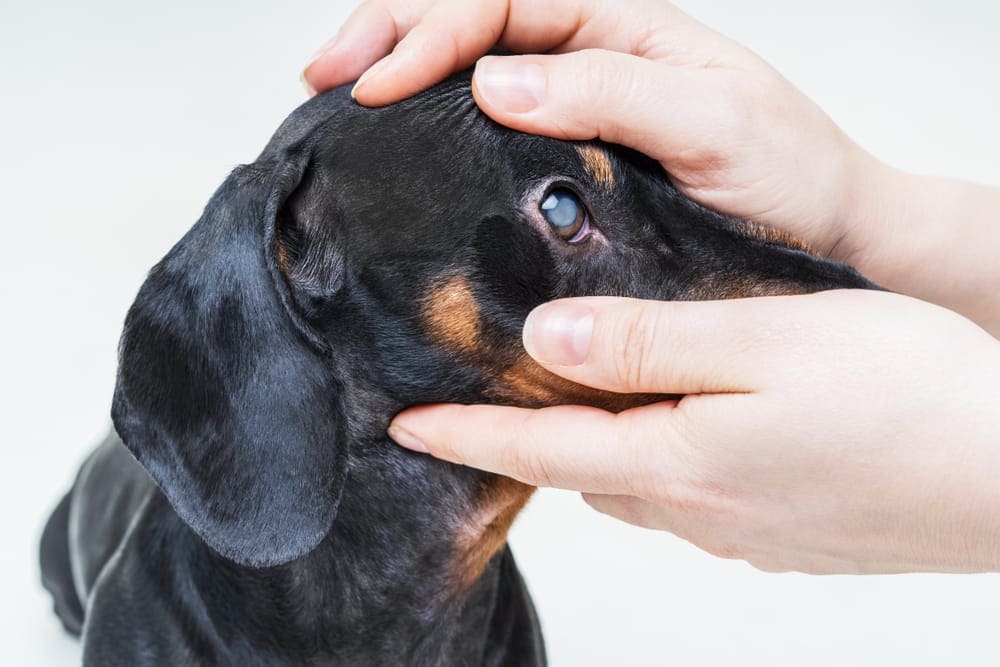
Veterinarian examining the eye of a dachshund to assess for canine glaucoma, highlighting the importance of early detection and specialized care.

Understanding Canine Glaucoma Diagnostics

Canine glaucoma diagnostics involves specialized testing to measure the pressure inside your dog’s eyes, known as intraocular pressure (IOP). This condition occurs when fluid cannot drain properly, causing pressure to build up and potentially damage the optic nerve.

Unlike humans, who can report vision changes, dogs cannot tell us when they’re experiencing problems, making regular diagnostic screening crucial for at-risk breeds and senior dogs. Our comprehensive diagnostic approach allows us to detect glaucoma in its earliest stages when treatment is most effective.

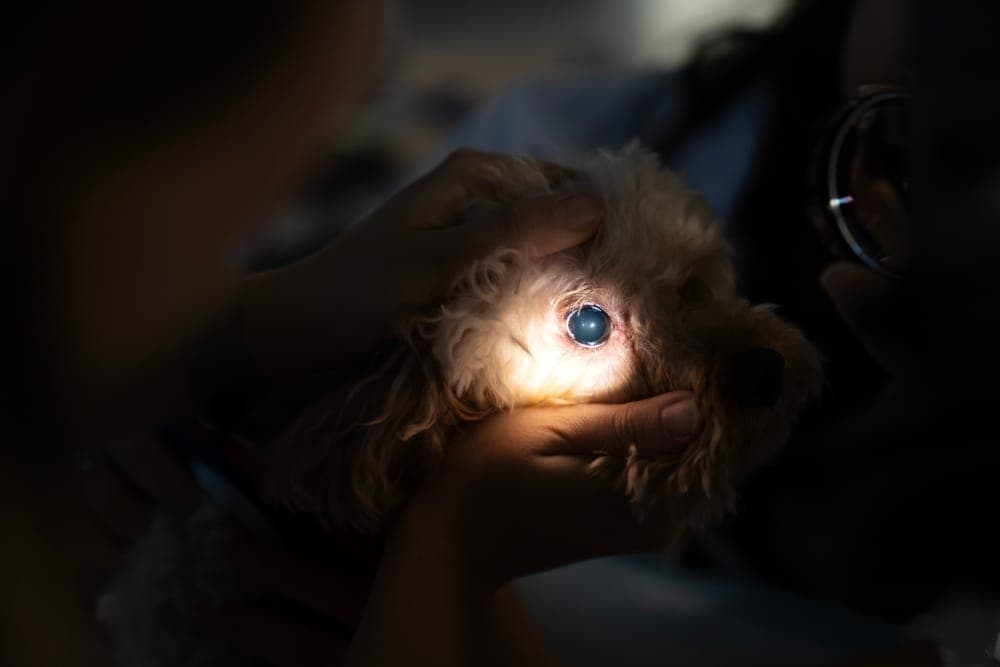
Veterinary ophthalmologist conducting canine glaucoma diagnostic test on a dog, featuring specialized equipment to measure intraocular pressure in a clinical setting.

Benefits of Canine Glaucoma Diagnostics

Our Canine Glaucoma Diagnostic Process

Your First Visit With Our Team

Your first visit to Veterinary Vision Specialists includes a comprehensive eye examination and discussion of your dog’s medical history. Dr. Bosiack will evaluate your pet’s overall eye health and look for early signs of glaucoma or risk factors. We’ll also discuss any symptoms you’ve noticed at home, such as redness, cloudiness, or changes in your dog’s behavior that might indicate vision problems.

Customized Diagnostic Planning

Based on your dog’s specific needs, we’ll create a tailored diagnostic plan to evaluate intraocular pressure and overall eye health. This may include tonometry to measure eye pressure, gonioscopy to examine drainage angles, and specialized imaging when needed. We choose tests that suit your dog’s needs and personality—so the process is accurate and as stress-free as possible.

Gentle Pressure Testing Procedures

During the diagnostic process, we use specialized equipment to painlessly measure your dog’s intraocular pressure and evaluate optic nerve health. Our gentle handling techniques help keep your pet calm and cooperative throughout the examination. Our team has extensive experience working with anxious pets and uses approaches that make the process as stress-free as possible for both you and your dog.

Understanding Your Dog’s Results

After completing all diagnostic tests, Dr. Bosiack will carefully analyze the results to determine if glaucoma is present and assess its severity. We’ll explain our findings in clear, understandable terms and answer any questions you have about your pet’s condition. You’ll receive detailed information about what the test results mean for your dog’s eye health and what steps might be needed next.

Ongoing Monitoring and Care

Based on diagnostic results, we’ll create a monitoring or treatment plan tailored to your dog’s specific needs. For dogs with normal pressure but high risk factors, we’ll recommend a schedule for regular pressure checks. If glaucoma is detected, we’ll discuss medical and surgical options for managing the condition and preserving vision, ensuring you understand all available choices for your pet’s care.

Why Choose Us for Canine Glaucoma Diagnostics

Veterinary Vision Specialists stands apart with our exclusive focus on pet eye care and specialized expertise in detecting and managing canine glaucoma. Our clinic features precise diagnostic equipment that measures your dog’s eye pressure with minimal discomfort, while our detailed imaging reveals subtle changes invisible to the naked eye.

Dr. Ann Bosiack brings decades of clinical experience to each examination, combining technical precision with a genuine love for animals. We take the time to thoroughly explain your pet’s condition in plain language, involve you in treatment decisions, and provide ongoing support as your dog’s eye health evolves.

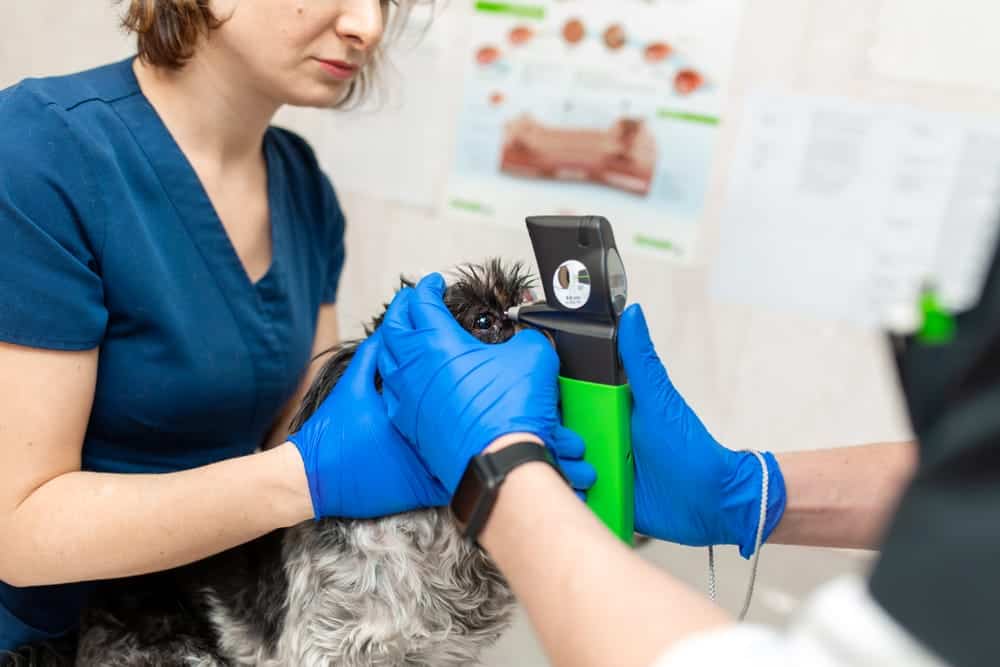
Veterinarian examining a dog's eye for glaucoma, using specialized equipment to assess eye health and pressure.

Canine Glaucoma FAQs: Causes, Symptoms & Treatment

How fast can glaucoma kill a dog?

Glaucoma itself isn’t directly fatal, but untreated acute cases can cause complete blindness within 24-48 hours. The severe pain from advanced glaucoma significantly reduces quality of life and may eventually require eye removal. Early diagnosis through proper screening is crucial for preventing these severe outcomes and preserving vision.

What causes glaucoma in dogs?

Glaucoma in dogs occurs when fluid drainage from the eye is impaired, causing increased pressure that damages the optic nerve. Primary glaucoma is genetic and common in breeds like Cocker Spaniels and Basset Hounds. Secondary glaucoma develops from other conditions, such as inflammation, trauma, or lens luxation, that block normal fluid drainage.

How to treat glaucoma in dogs?

Treatment focuses on reducing intraocular pressure through medication, surgery, or both approaches. Medical management includes eye drops and oral medications that decrease fluid production or improve drainage. Surgical options range from laser procedures to advanced techniques like shunts that create alternative drainage pathways, with plans customized based on type and severity.

What does glaucoma look like in dogs?

Visible signs include eye redness, a cloudy or bluish cornea, and an enlarged or bulging eye in advanced cases. Your dog might squint, tear excessively, or have dilated pupils unresponsive to light. Behavioral changes such as decreased activity, bumping into objects, or pawing at the eye are common indicators warranting immediate evaluation.

Is glaucoma in dogs painful?

Yes, glaucoma is extremely painful for dogs, especially when eye pressure becomes significantly elevated. The pain resembles a severe, constant headache or intense pressure sensation. Affected dogs may hide, lose their appetite, become irritable, or paw at the affected eye, making prompt diagnosis and pressure-lowering treatment essential for your pet’s comfort.

Safeguard Your Dog’s Vision with Expert Care

Protect your dog’s eyesight before symptoms become obvious—preventative diagnostics can make all the difference in preserving their vision and comfort. At Veterinary Vision Specialists, Dr. Ann Bosiack provides expert evaluation using advanced diagnostic techniques that reveal problems invisible to the untrained eye. Call 804-636-0246 to schedule your pet’s comprehensive glaucoma screening that could save their sight.

Book Appointment